
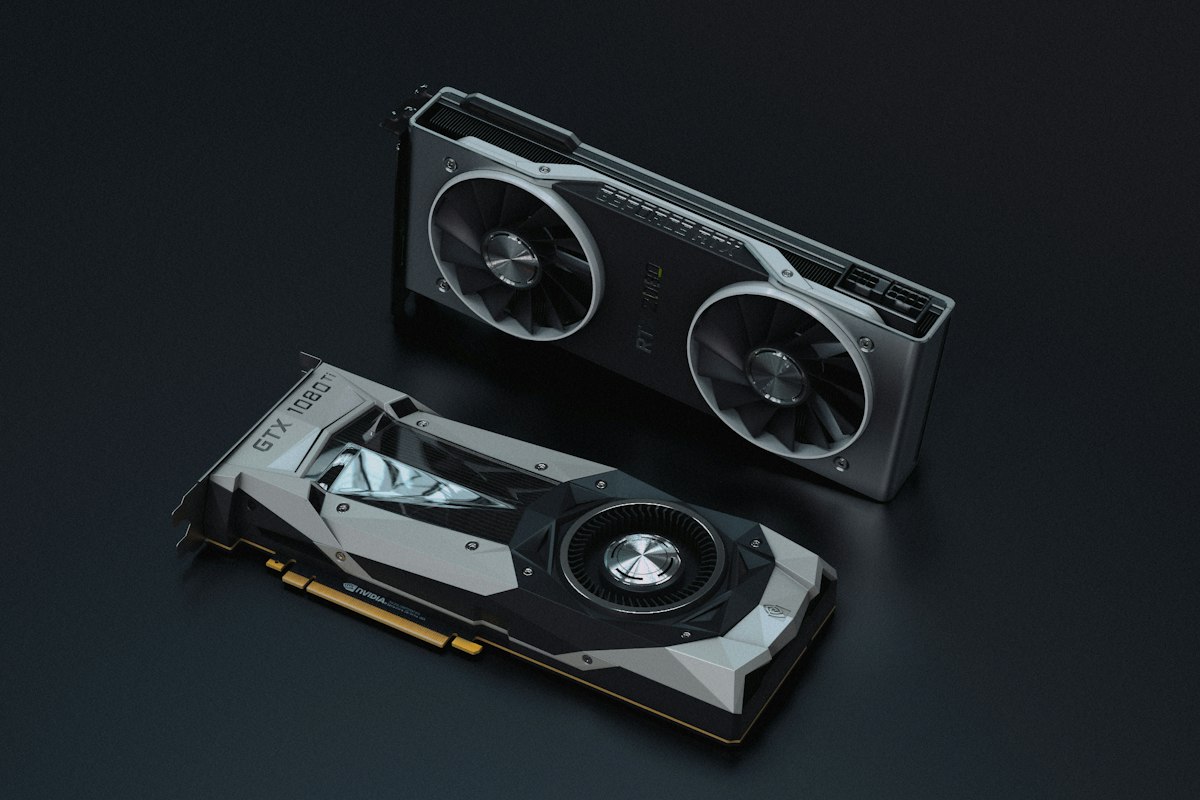
Meta is going to begin mass production of its in-house AI accelerator, code-named Iris, at TSMC in September. Iris was co-designed with Broadcom, cleared bug testing in six weeks (which is fast for a first serious silicon spin), and is now the anchor of a plan to double Meta’s datacenter compute footprint from roughly 7 gigawatts this year to about 14 gigawatts in 2027. Full-year capex sits somewhere between $125 billion and $145 billion, and functionally all of that number lives in the AI-infrastructure column.
The chip is not going to replace GPUs. That is worth stating plainly, because the framing in a lot of coverage this week has been “Meta ditches Nvidia,” and Meta is not ditching Nvidia. Meta is going to keep buying Nvidia and AMD accelerators for training frontier models. What Iris is meant to do is take the trillions of ranking and recommendation queries that Facebook, Instagram, WhatsApp, and Reels serve every day, and route them onto silicon Meta owns. Every one of those queries that runs on Iris instead of on an H-series card is a query that stops paying Nvidia’s margin. At Meta’s inference volume, the math on that gets big fast.
The timing is what makes it a story. Muse Spark 1.1, Meta’s first closed frontier model with a public pricing page, launched the week before last. So in ten days Meta has: put a meter on a proprietary model, and put a factory ship-date on a proprietary chip. Two moves, one direction. The company that spent four years arguing that open weights and hyperscaler-neutral infrastructure were the correct posture has decided that neither is the correct posture anymore. Alexandr Wang’s Superintelligence Labs is running a fully vertical playbook: own the model, own the chip, own the datacenter, own the pricing.
The other quiet piece of context is that Google spent part of Q1 rationing Meta’s access to Gemini because Google didn’t have the compute to spare. A hyperscaler getting told “no” by another hyperscaler on GPU-hours is the kind of thing that concentrates the mind. Iris is Meta’s version of concentrating the mind. Whether it ships on time in September, and whether the yields are good enough to actually take pressure off Meta’s Nvidia bill this year, are the two numbers to watch. The gigawatt target for 2027 is either a real production plan or a slide deck. September will tell you which.