
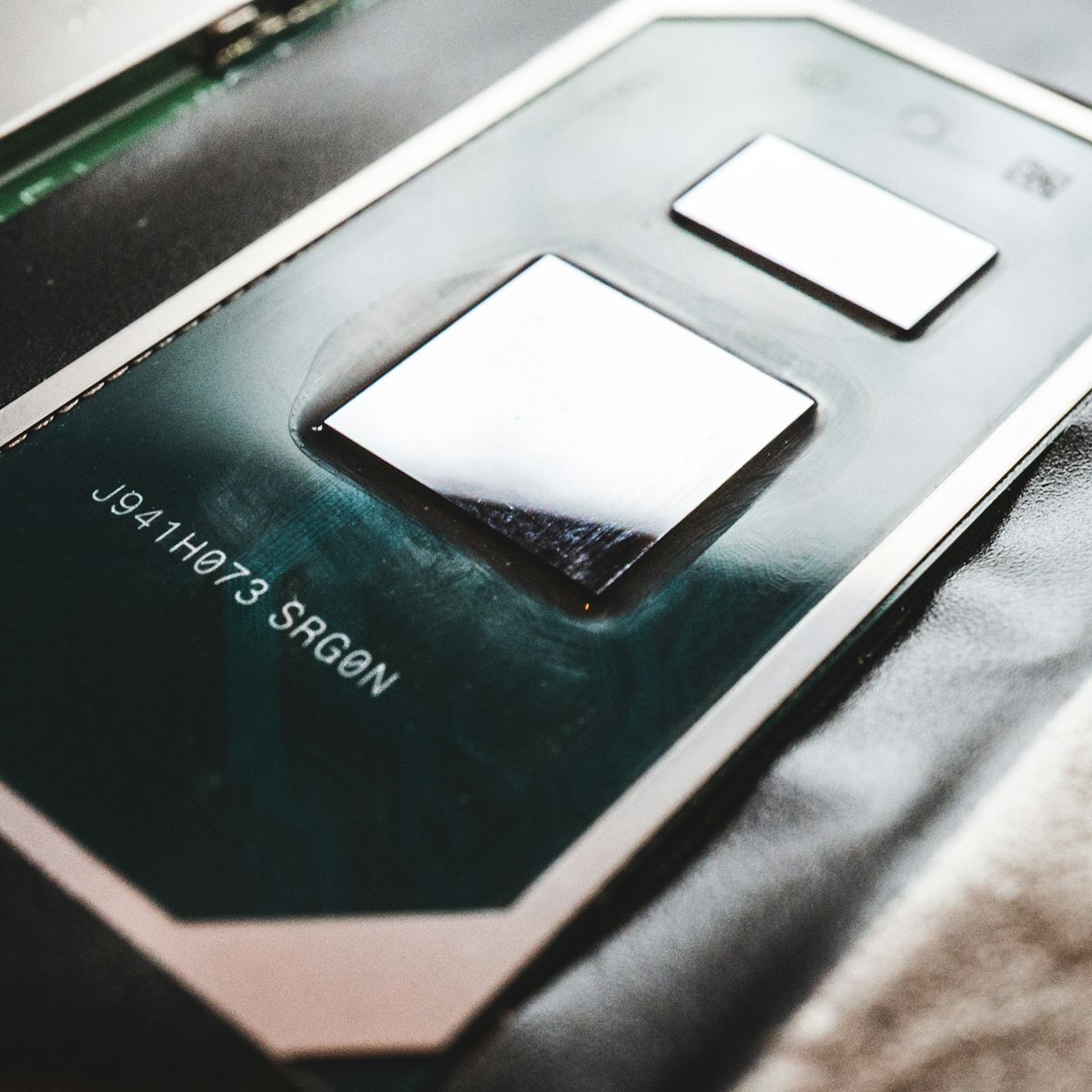
AMD confirmed it has begun sampling MI450 GPUs to customers, with the largest deployments slated for inference workloads. This is the part of the chip cycle where the design has frozen, customers have validation silicon in their racks, and the question shifts from “is the chip real” to “how badly will the software stack bleed.”
The relevant context: AMD already has two announced megadeals waiting on this chip. The OpenAI partnership, announced last October, commits 6 gigawatts of MI450 capacity with the first 1GW deployment beginning in the second half of this year. The Meta deal, announced in February, mirrors the shape: 6 gigawatts, custom MI450-based silicon, paired with AMD’s “Venice” EPYC CPUs on the Helios rack architecture. First gigawatt of Meta deployment is also slated for H2 2026.
What makes this newsworthy and not just another GPU launch: twelve gigawatts of committed capacity at two of the three companies that actually move the AI demand curve. If MI450 lands inside its performance and ROCm-stability targets, Nvidia’s roughly 90 percent market share gets its first genuinely credible challenger since the H100 cycle began. If it ships late or the software stack does its traditional song and dance of “almost works on the workloads you actually run,” then Nvidia gets another twelve months of monopoly pricing.
The ROCm question is the tell. CUDA is the moat, not the silicon, and AMD knows it. MI450 either ships with the inference frameworks tuned out of the box or it doesn’t. The next earnings call from either Meta or OpenAI will say which, in the careful corporate language of “deployment timing has been refined.”