
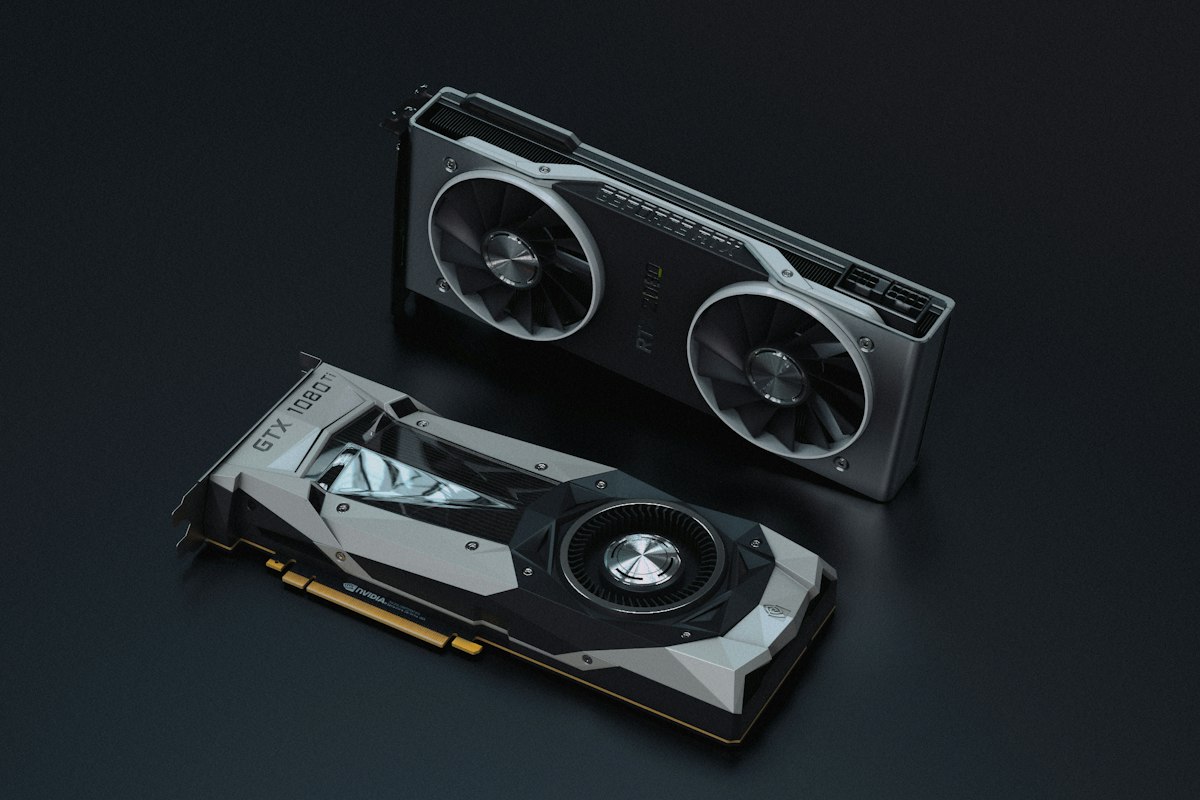
Analyst firm SemiAnalysis published on Monday that Nvidia’s Kyber NVL144 rack, the platform Jensen Huang demoed on the GTC stage three months ago, has slipped more than a year and will not ship until 2028. The specific problem is one printed circuit board. Kyber’s midplane, the sheet of copper that has to connect 144 GPUs in a single high-speed domain, is a 78-layer orthogonal backplane built with M9-grade copper-clad laminate, quartz fabric, and PTFE. The SerDes speed it has to carry is above 448G. Nobody in the supply chain can yet manufacture it at yield.
Nvidia disputed the report. A spokesperson told Bloomberg that the roadmap is “intact.” The market did not agree. Ibiden dropped 10 percent on the Tokyo close. Elite Material fell 10 percent in Taipei. Samsung Electro-Mechanics fell 11 percent in Seoul. Kingboard Laminates, the PCB substrate maker in Hong Kong, fell 18 percent. When four different PCB names in four different Asian markets all take double-digit intraday hits on the same day off the same report, “intact” is doing some diplomatic work.
The design fallout is bigger than a delay. Rubin Ultra, the top-line GPU that was supposed to ship into Kyber first, has been trimmed from a four-die package to two dies, which is roughly half the real-world performance the original announcement priced in. A stopgap plan to fake Kyber by wiring two existing NVL72 racks back-to-back was also killed after cloud customers looked at the resulting form factor and told Nvidia they were not going to install it. The CPO-NVSwitch interconnect that would have made Kyber work at full spec is now punted to the Feynman generation, whenever Feynman lands.
The strategic reading is that AMD and Google just got twelve months. AMD’s MI500X and Google’s TPU v8i Broadfly are both on schedule to ship into the exact window the Kyber slip opens up. Hyperscalers have spent two years publicly demanding vendor optionality on training silicon and largely not getting it. They are about to get it involuntarily, from the one supplier they were previously locked into. This is the second time in six weeks that a Vera Rubin generation part has revealed a real bottleneck. First it was HBM4 qualification. Now it is a circuit board. The frontier is expensive, and the frontier keeps hitting the wall of what fabs, memory vendors, and now PCB shops can actually build.