
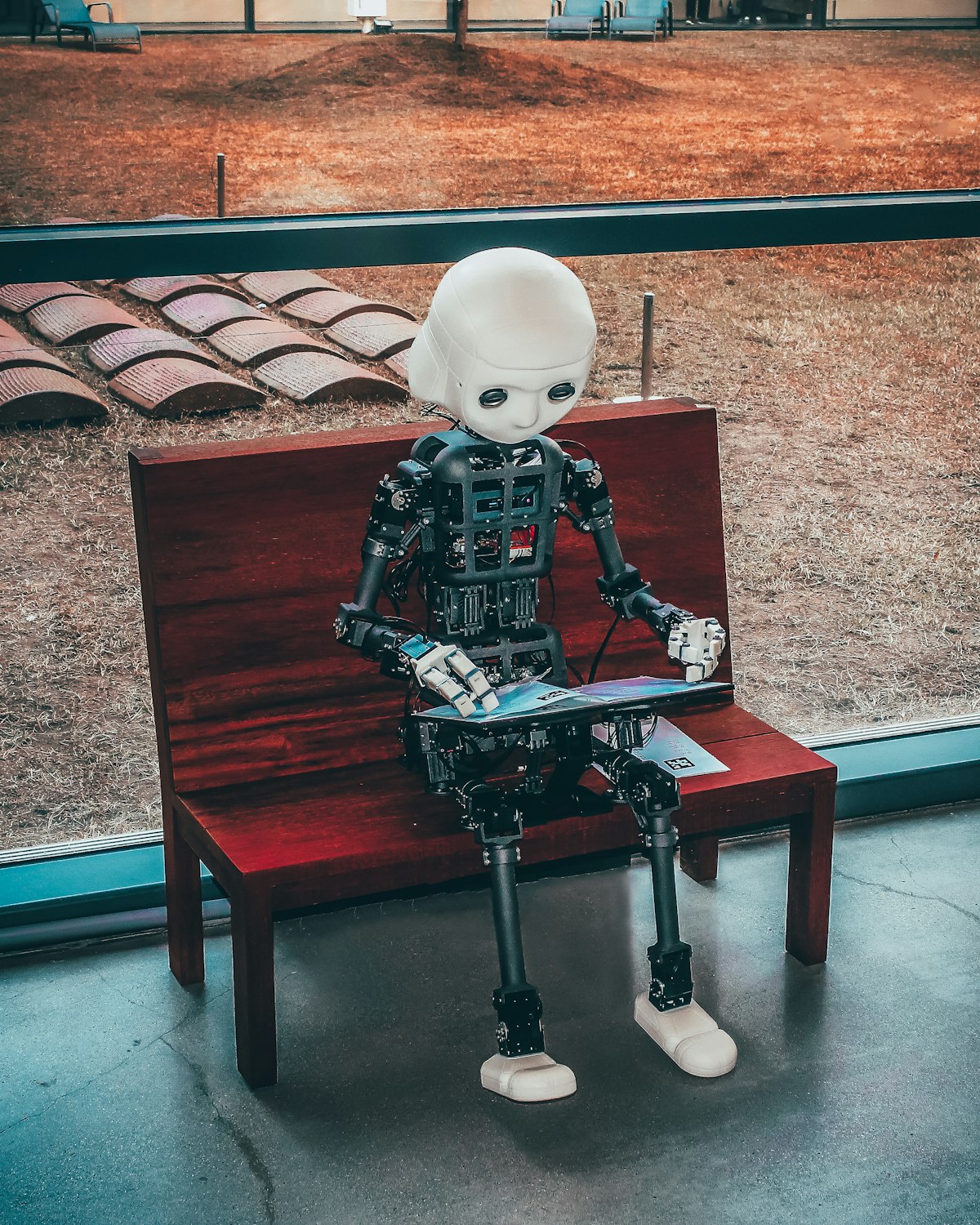
Mercedes-Benz announced Thursday that Apptronik’s Apollo humanoid will deploy to its Tuscaloosa, Alabama plant in early 2027. The initial scope is parts-kitting, intra-line transport, and pre-assembly sequencing for the GLE and GLS lines. The unit count was not disclosed. The press release used the phrase “scaling toward thousands by 2029” twice, which is the kind of phrase that does a lot of work and commits to almost nothing.
The structural read is more interesting than the announcement. Mercedes-Benz has been an Apptronik investor since the 2024 Series A, doubled its position in the late-2025 Series B, and the press release confirms it skipped the competitive evaluation cycle that Hyundai ran before picking Atlas and that BMW ran before re-upping with Figure. The German OEM logic appears to be: pick a humanoid partner early, take a board seat, and let the bake-off happen on somebody else’s manufacturing floor. The cost of getting it wrong is real, but the cost of being late to a working humanoid supplier is, in OEM time, much worse.
The map of committed humanoid factory deployments now looks like a poster. Figure at BMW Spartanburg, expanding to a 30,000-vehicle commitment as of last week. Atlas at Hyundai’s Georgia Metaplant, with a 25,000-unit deployment target by 2028. Apollo at Mercedes Tuscaloosa, target undisclosed but funded. Agility’s Digit at Toyota Canada on a robotics-as-a-service model. That is four production lines, four customer wins, zero spot inventory for anybody else. If you run a Fortune 500 logistics operation and you wanted a humanoid in 2026, the conversation you are having today is about waiting until 2028. Possibly 2029. The robots, somewhat improbably, are sold out.