
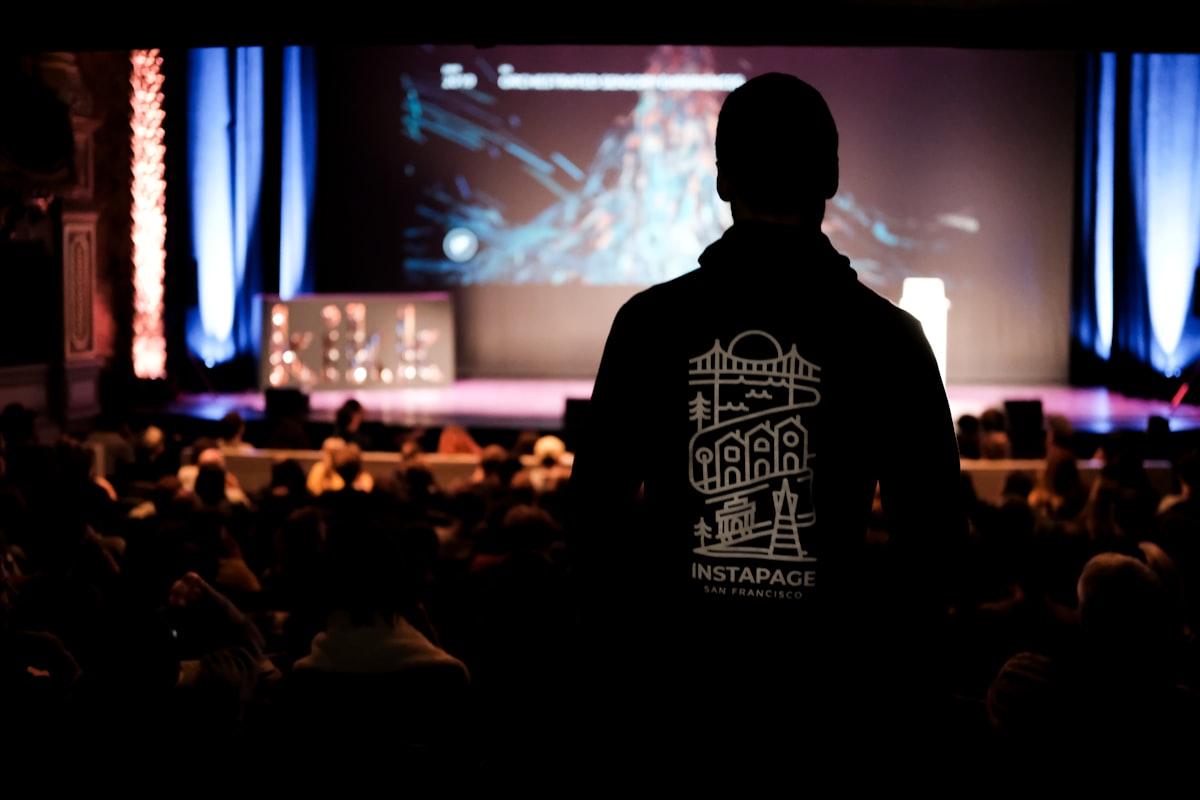
Google held I/O yesterday and announced, in roughly the same breath: Gemini Spark, a general-purpose AI agent that can reason across your connected apps; Omni, a “world model” demo; and Gemini 3.5 Flash at roughly a third of the price of comparable frontier models. The launch energy is “we are also doing all of this, please look at us.”
Spark is the headline. It rolls out in beta to Google AI Ultra subscribers and “trusted testers” starting next week, which is Google for “we have not load-tested this.” The pitch is the same one OpenAI and Anthropic have been making for six months: an agent that can navigate your Gmail, calendar, docs, search, and the open web. Except Google already owns your Gmail, calendar, docs, and search. If the agent works, the distribution problem is solved on day one. That is a large if.
Omni is the more interesting demo even if Spark is the more important product. World models are the bet that to make agents that can do things in the real world, you first need a model with a working theory of what the real world is doing. Whether the demo holds up outside the keynote stage is the next two weeks of independent reproduction attempts.
The cheaper Flash tier is the easy-to-overlook piece. Frontier-quality reasoning at one-third the price is the move that quietly squeezes every inference-cost spreadsheet in the industry. The price war was on hold while everyone shipped bigger context windows. It is back on.